
Answer Patient Questions
Develop knowledge and understanding of therapeutic peptide science and clinical applications.

Expert-Led Training
Benefit from in-depth insights and guidance from industry-engaged professionals.

Assess Risk
Risk from unapproved peptide use for practitioners and patients.
About the Course
Peptides represent a rapidly evolving area of biomedical research and clinical interest. Peptide molecules participate in diverse physiological signalling pathways, and a growing range of peptide-based therapeutics has been investigated across different areas of medicine. The evidence, regulatory status and degree of clinical development vary substantially between individual peptides and proposed applications. This course is an introduction to practitioners encountering peptides in professional and public discourse. What are they? How do they work? Why are they being used? How can I minimize risk to my patients and me?

Why Healthcare Practitioners Should Understand Therapeutic Peptides
PATIENTS ASK PRACTITIONERS ABOUT PEPTIDES
Patients are increasingly encountering information about therapeutic peptides through clinics, online sources and social media. Healthcare practitioners may therefore need sufficient knowledge to discuss the evidence, uncertainties, risks and regulatory considerations associated with their use.
PEPTIDES CAN AFFECT MULTIPLE HEALTH & DISEASE PROCESSES IN BIOLOGY
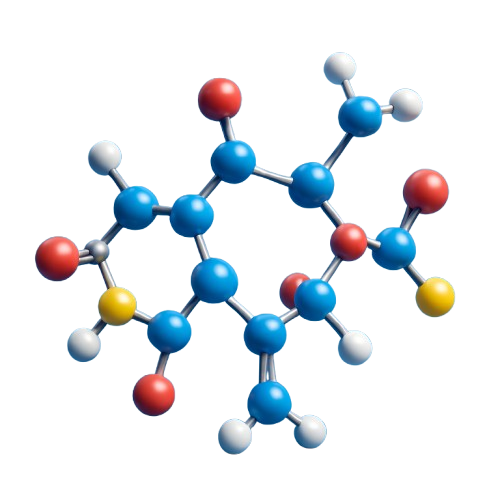
Peptides are a broad class of naturally occurring and synthetically developed molecules involved in diverse biological signalling processes. Individual peptide-based therapeutics differ substantially in their mechanisms, evidence base, regulatory status, safety profile and potential clinical applications.
LEARN ABOUT PEPTIDE RISKS
Peptides exhibit diverse safety and efficacy profiles that vary substantially between compounds, indications, formulations, and regulatory status. This program reviews the current evidence, reported benefits, known risks, adverse events, and areas of uncertainty.
Meet Your Instructors
Faculty and Contributors The Institute for Emerging Therapies programs contain contributions from a multidisciplinary faculty of experienced clinicians, scientists, and educators working across the fields of functional medicine, peptide science, and clinical therapeutics. The teaching team includes senior medical practitioners, specialist physicians, surgeons, pharmacists, and research scientists with extensive experience in both clinical practice and biomedical research. Collectively, the faculty bring expertise from primary care, endocrinology, pharmacology, surgery, aesthetics, translational research, and peptide chemistry. Members of the faculty have held or currently hold positions within universities, hospitals, clinical practices, and biotechnology environments, and have contributed to clinical education, scientific publications, and the evaluation and development of clinical frameworks for emerging therapies Their backgrounds include experience in patient care, regulatory environments, pharmaceutical development, and advanced therapeutic formulation. This breadth of expertise ensures that the course provides clinically relevant perspectives alongside a strong scientific and regulatory understanding of peptide therapeutics.
Course Curriculum
-
-
(Included in full purchase)
Terms of Use
-
(Included in full purchase)
Disclaimer
-
(Included in full purchase)
The Faculty
-
(Included in full purchase)
Learning Objectives
-
(Included in full purchase)
-
-
(Included in full purchase)
Why understand unapproved peptides?
-
(Included in full purchase)
References
-
(Included in full purchase)
-
-
(Included in full purchase)
END OF COURSE QUIZ
-
(Included in full purchase)
END OF COURSE SURVEY
-
(Included in full purchase)
Congratulations and receiving your Certificate
-
(Included in full purchase)
Welcome to Evidence-Informed Emerging Therapies.
Take the next step in developing an evidence-informed understanding of clinical peptide therapy.
$100.00
Important Notice
Important Notice: This program discusses established, emerging, investigational, compounded, off-label, and internationally available therapies. Inclusion of any therapy within the curriculum does not constitute endorsement, recommendation, promotion, or guidance regarding clinical use. Participants remain responsible for compliance with all applicable laws, regulations, and professional obligations within their jurisdiction.